In today’s global economy, sustainability has become a central focus across all industries, including logistics. The logistics sector, with its reliance on transportation, warehousing, and supply chains, plays a significant role in the environmental footprint of businesses. From carbon emissions to fuel consumption, the logistics industry is under increasing pressure to reduce its environmental impact and adopt greener practices.
As a leading logistics provider, IP Roadlines recognizes the importance of sustainability and has made it a core part of its operations. With a commitment to reducing environmental impact while still delivering high-quality services, IP Roadlines is not only focusing on operational efficiency but also on sustainable practices that contribute to a greener planet.
In this blog, we will explore the role of sustainability in logistics, the challenges the industry faces, and how IP Roadlines is playing its part in reducing environmental impact through innovative solutions and eco-friendly practices.
- The Environmental Challenges in Logistics
The logistics industry faces several environmental challenges, primarily due to its reliance on transportation. Key contributors to environmental impact in logistics include:
1.1. Carbon Emissions from Transportation
Transportation is one of the largest contributors to greenhouse gas emissions, particularly carbon dioxide (CO2). Trucks, ships, trains, and planes all rely on fossil fuels, which release CO2 and other pollutants into the atmosphere.
1.2. Fuel Consumption and Inefficiency
Inefficient fuel consumption, whether due to suboptimal routes, unnecessary idling, or outdated vehicles, can lead to excess emissions and higher environmental costs.
1.3. Packaging Waste
Logistics also contributes to waste, particularly in packaging. Excessive or non-recyclable packaging materials can accumulate in landfills, adding to pollution.
1.4. Waste Generation in Warehouses
Waste generated in warehouses—from paper and plastic waste to food packaging and other materials—can contribute to environmental harm if not properly managed and recycled.
- The Importance of Sustainability in Logistics
As the world becomes more environmentally conscious, sustainability has become an essential part of business strategy, especially in industries like logistics, which have a direct impact on the planet. Here’s why sustainability in logistics matters:
2.1. Regulatory Pressure
Governments and regulatory bodies worldwide are setting stricter standards for carbon emissions, waste management, and environmental practices. Companies that fail to comply with these regulations risk facing penalties, fines, or loss of business opportunities.
2.2. Consumer Demand for Green Practices
Consumers are increasingly choosing brands and services that prioritize sustainability. For logistics companies, adopting green practices is no longer just a good idea; it’s a competitive necessity. Businesses that demonstrate a commitment to sustainability can attract eco-conscious customers and differentiate themselves in the marketplace.
2.3. Cost Savings
Sustainable logistics practices can lead to significant cost savings. By reducing energy consumption, improving fuel efficiency, and optimizing routes, logistics companies can cut costs while also reducing their environmental footprint.
2.4. Corporate Responsibility
Corporate social responsibility (CSR) is a critical part of modern business. Companies that prioritize sustainability are seen as responsible, ethical, and forward-thinking. This not only helps improve a company’s image but also contributes to long-term success by addressing global environmental challenges.
- How IP Roadlines is Reducing Environmental Impact
At IP Roadlines, sustainability is integrated into every aspect of the business. From reducing fuel consumption to implementing greener practices across their supply chain, IP Roadlines is committed to environmental responsibility. Here’s how the company is leading the charge in sustainable logistics:
3.1. Fleet Optimization and Green Vehicles
A significant portion of IP Roadlines’ environmental impact comes from its transportation operations. To minimize this impact, the company has focused on optimizing its fleet for fuel efficiency and reducing emissions. This includes:
Adopting Fuel-Efficient Vehicles: IP Roadlines has invested in a fleet of fuel-efficient trucks that comply with the latest emission standards. These vehicles reduce CO2 emissions, enhance fuel efficiency, and contribute to lowering the overall environmental footprint.
Electric Vehicles (EVs): As part of its commitment to sustainability, IP Roadlines is gradually incorporating electric vehicles (EVs) into its fleet. EVs produce zero emissions and help reduce dependence on fossil fuels.
Route Optimization: Using advanced route optimization software, IP Roadlines minimizes travel distances, avoiding traffic congestion, and ensuring that deliveries are made in the most fuel-efficient manner possible. By optimizing routes, the company reduces fuel consumption and emissions, helping to preserve the environment.
3.2. Sustainable Warehouse Operations
IP Roadlines is also focused on making its warehousing operations more sustainable. The company employs several eco-friendly practices within its warehouse facilities, such as:
Energy-Efficient Lighting: By using LED lighting and motion sensors, IP Roadlines reduces energy consumption in its warehouses, contributing to lower overall carbon emissions.
Waste Reduction and Recycling: IP Roadlines implements waste reduction strategies by recycling materials, minimizing packaging waste, and encouraging the use of biodegradable packaging wherever possible. This helps reduce landfill waste and supports a circular economy.
Green Building Practices: The company is working towards using sustainable materials for warehouse construction and renovation, improving insulation and energy efficiency to reduce the carbon footprint of its facilities.
3.3. Smart Inventory Management
IP Roadlines uses intelligent inventory management systems to reduce waste, optimize stock levels, and minimize energy use. By adopting a just-in-time (JIT) inventory system, the company ensures that goods are produced and transported only when necessary, reducing the need for excess storage and minimizing waste.
3.4. Embracing Technology for Sustainability
IP Roadlines understands that technology plays a vital role in achieving sustainability goals. The company employs various technologies to enhance operational efficiency while reducing its environmental impact:
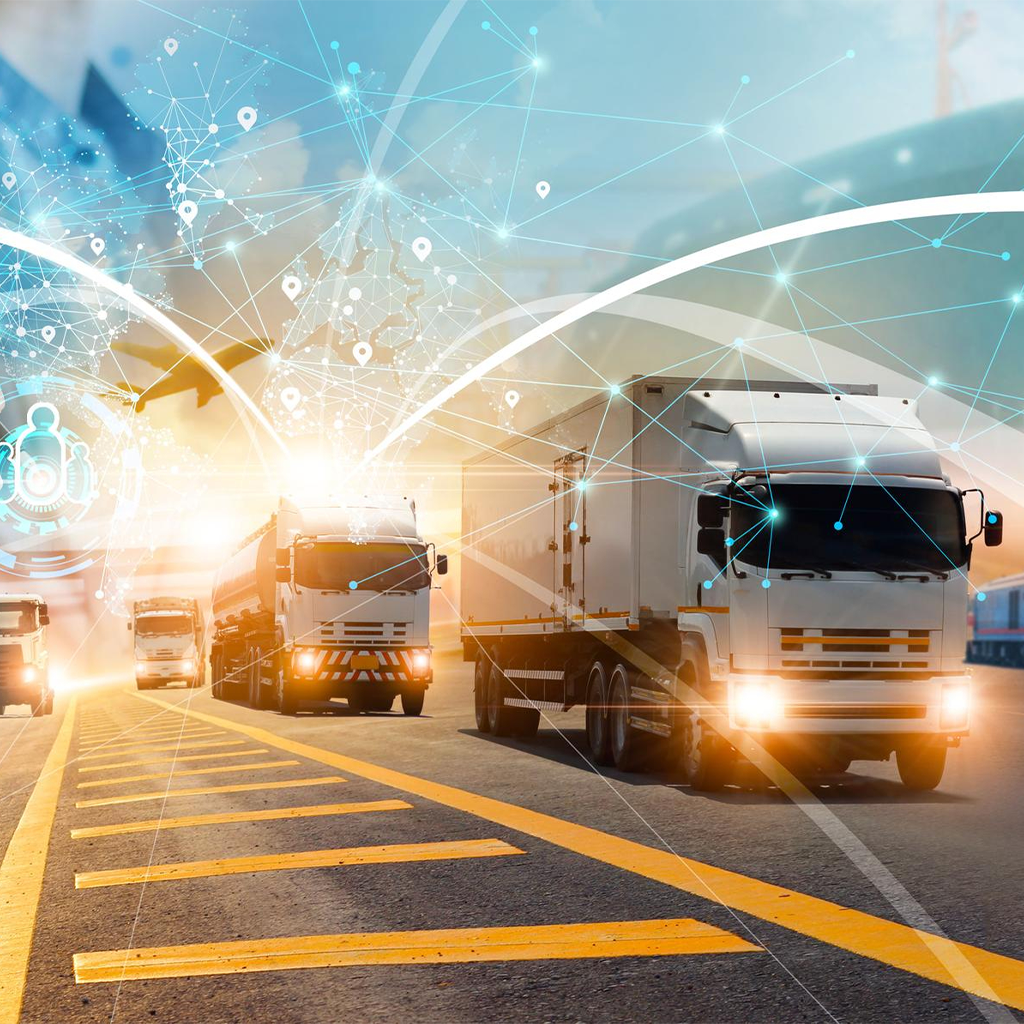
IoT Sensors: Using Internet of Things (IoT) sensors, IP Roadlines tracks the condition of shipments, monitor temperature-sensitive goods, and ensure products are delivered efficiently and without wastage.
Data Analytics: By analyzing data on shipping patterns, weather, and fuel consumption, the company can make informed decisions that help reduce energy use and emissions across the supply chain.
Blockchain for Transparency: IP Roadlines is exploring blockchain technology to ensure greater transparency in supply chains. Blockchain can help trace product origins and verify claims of sustainability, ensuring that every step of the logistics process aligns with green standards.
3.5. Partnering with Sustainable Suppliers
IP Roadlines works closely with sustainable suppliers who prioritize eco-friendly practices in their operations. By choosing partners who also value sustainability, IP Roadlines ensures that its supply chain has minimal environmental impact at every stage.
- The Future of Sustainability in Logistics
The logistics industry is continually evolving, and the future of sustainability looks promising. As IP Roadlines continues to innovate and improve its operations, we can expect to see further investments in green logistics technologies, sustainable practices, and eco-friendly solutions.
Some future trends include:
Automation: Increased use of automated vehicles and robotics in warehouses to reduce energy consumption and improve efficiency.
Sustainable Packaging: More widespread use of biodegradable packaging and reusable containers to reduce waste in logistics.
Circular Supply Chains: A shift toward circular supply chains, where products are reused, refurbished, or recycled, helping to minimize waste and improve resource efficiency.
As these trends continue to take shape, companies like IP Roadlines are setting the standard for the logistics industry, showing that sustainability and operational efficiency can go hand-in-hand.
- Conclusion: Driving Sustainable Logistics for a Better Future
Sustainability in logistics is no longer just a buzzword—it’s a critical necessity. Companies that embrace sustainability will not only reduce their environmental footprint but also gain a competitive advantage, reduce costs, and improve customer satisfaction.
IP Roadlines has shown that with the right approach, logistics operations can be both environmentally friendly and efficient. Through innovations in fleet optimization, energy-efficient warehouse operations, and the use of cutting-edge technology, IP Roadlines is committed to leading the way in sustainable logistics.
As we look to the future, it’s clear that sustainability will continue to play a central role in shaping the logistics industry. By adopting green practices and leveraging advanced technologies, businesses can ensure that they contribute to a healthier planet while remaining competitive in an ever-evolving market.
Contact IP Roadlines today to learn more about our sustainable logistics solutions and how we can help reduce your environmental impact.