As trade and commerce continue to flourish between countries, efficient cross-border transportation has become a critical factor in ensuring seamless global supply chains. Among the many international trade routes, the India-Nepal corridor stands out as one of the most vital for both countries. With increasing trade, improved infrastructure, and evolving logistics practices, the future of India-Nepal logistics is set for significant transformation.
Nepal, being a landlocked country, relies heavily on its trade route through India to access seaports, which makes efficient cross-border transportation even more crucial. In this blog, we will explore the future of cross-border transportation between India and Nepal, focusing on the key trends, challenges, and opportunities shaping logistics and transportation in this corridor.
- The Current State of India-Nepal Logistics
The India-Nepal logistics corridor has historically been a critical trade route, given the close geographical and economic ties between the two countries. Nepal imports a wide variety of goods from India, including machinery, electronics, petroleum products, and agricultural goods. Similarly, India imports products like carpets, pashmina wool, and tea from Nepal.
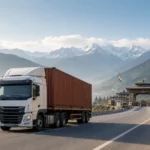
Cross-border transportation between India and Nepal has predominantly relied on road and rail networks, with road transport being the most common method for moving goods. The trade volume between the two nations is substantial, but it has often been hindered by logistical inefficiencies such as traffic congestion, delays at border crossings, and regulatory challenges.
However, with recent investments in infrastructure, enhanced connectivity, and increasing trade demands, India and Nepal are focusing on improving their logistics systems to streamline the flow of goods across the border. Here’s a closer look at the key developments and future trends in cross-border transportation between the two countries.
- Key Developments in India-Nepal Cross-Border Logistics
2.1. Infrastructure Improvements
One of the most important aspects of the future of India-Nepal logistics is the improvement of infrastructure. Both countries are heavily investing in developing transportation infrastructure to boost trade and economic relations.
Bharat Nepal Maitri (BNM) Highway: This strategic road network connects key cities in India to Nepal, ensuring a faster and more direct route for cross-border transport. With increased construction of roads and highways, the transportation of goods between India and Nepal is becoming more efficient.
Integrated Checkposts (ICP): The development of ICPs at major border points such as Biratnagar, Sunauli, and Raxaul is improving the customs clearance process. These modernized facilities offer customs, immigration, and security checks in a single location, reducing waiting times for trucks and minimizing delays.
Rail Connectivity: The development of rail networks, including the Jogbani-Biratnagar railway line, is also set to enhance transportation efficiency. Rail transport offers a more cost-effective and environmentally friendly alternative to road transportation, especially for heavy and bulk goods.
- Future Trends Shaping India-Nepal Logistics
The future of cross-border transportation between India and Nepal is shaped by several key trends, including technological advancements, trade policy changes, and enhanced regional cooperation. Let’s explore these trends in more detail:
3.1. Digitalization and E-Logistics
As logistics becomes increasingly digitized, the future of cross-border transportation will rely heavily on e-logistics platforms to streamline the movement of goods and improve transparency. Digital solutions such as real-time tracking, automated customs clearance, and electronic data interchange (EDI) will reduce bottlenecks at border crossings, minimize paperwork, and speed up the clearance process.
Customs Automation: The introduction of Automated Customs Clearance systems in India and Nepal will further facilitate the smooth flow of goods. These systems can process shipments faster, ensuring that goods don’t get delayed at the border. Real-time tracking and electronic data exchange will also improve visibility for both businesses and customs officials.
Blockchain Technology: Blockchain, with its transparency and security, can be leveraged to provide real-time tracking and secure documentation for cross-border shipments. By ensuring that all trade transactions are securely recorded and verifiable, blockchain can reduce fraud and expedite the clearance process.
3.2. Focus on Environmental Sustainability
The logistics industry globally is moving toward more sustainable practices, and India-Nepal cross-border transportation is no exception. As demand for faster, more efficient delivery increases, sustainable transport solutions will be increasingly necessary.
Electric Vehicles (EVs): The future of transportation between India and Nepal will likely see a rise in the use of electric vehicles for cargo transportation. Electric trucks and buses can reduce the carbon footprint of cross-border transport, especially in regions where air quality is a growing concern.
Green Logistics: The promotion of green logistics solutions, such as optimizing fuel consumption, using eco-friendly packaging materials, and reducing transportation emissions, will play a key role in shaping the future of cross-border logistics.
3.3. Expanding Regional Connectivity
The future of India-Nepal logistics is inextricably linked to the broader context of regional trade cooperation. Nepal’s Bilateral Trade Agreement with India provides a framework for smoother cross-border trade, but future agreements will further enhance regional integration.
South Asian Regional Connectivity: There is growing support for improving logistics connectivity across South Asia, especially through initiatives like the Bangladesh, Bhutan, India, Nepal (BBIN) Motor Vehicles Agreement. The BBIN agreement aims to improve cross-border transport and facilitate easier movement of cargo between the four countries. This expanded connectivity will enhance trade between India and Nepal and also improve access to other South Asian markets.
Strategic Border Infrastructure: India and Nepal are focusing on upgrading border infrastructure to ensure the smooth passage of goods, such as dedicated freight corridors, faster customs processes, and modernized border checkpoints. These improvements will significantly reduce transit times and improve the reliability of supply chains.
- The Role of Trade Policy and Regulation
4.1. Trade Facilitation and Simplified Customs Procedures
The Indian government and Nepalese authorities are working together to simplify the customs clearance process to reduce bottlenecks and enhance trade. Future policies will likely emphasize reducing tariffs, standardizing documentation, and accelerating the customs clearance process.
Integrated Customs Procedures: Streamlining customs processes across the India-Nepal border and introducing harmonized regulations will make cross-border transportation smoother and more predictable.
Trade Facilitation Measures: The India-Nepal Trade Treaty will likely evolve, further facilitating the easier movement of goods by reducing paperwork, simplifying procedures, and providing more efficient routes.
4.2. Increased Focus on Security
While enhancing trade and transportation efficiency, it’s crucial to maintain robust security measures at the border. As both countries work to increase trade, ensuring the safe transit of goods will remain a priority. Security measures such as tracking systems, border surveillance, and improved documentation verification will further streamline the logistics process.
- Opportunities and Challenges for India-Nepal Cross-Border Logistics
Opportunities:
Market Expansion: Improved logistics will allow businesses in both India and Nepal to expand their market reach. Indian manufacturers will be able to access the growing Nepalese market more efficiently, while Nepali businesses can tap into India’s vast consumer base.
Growth in E-Commerce: The rise of e-commerce in both countries presents a huge opportunity for cross-border logistics providers to cater to growing demand, especially for last-mile delivery.
Infrastructure Development: Continued investments in road and rail infrastructure offer long-term benefits for businesses by reducing costs and improving transportation efficiency.
Challenges:
Regulatory Barriers: Despite improvements in trade agreements, regulatory barriers can still slow down the customs clearance process and increase costs.
Infrastructure Gaps: While progress is being made, Nepal’s landlocked nature still presents challenges. Further investments in infrastructure such as ports, roads, and rail networks are necessary to enhance the efficiency of cross-border transportation.
- Conclusion
The future of cross-border transportation between India and Nepal is promising, with substantial improvements in infrastructure, technology, and trade agreements on the horizon. As both countries continue to invest in modernization and streamline logistics processes, the movement of goods will become faster, more efficient, and cost-effective.
By embracing technology, sustainability, and regional connectivity, India and Nepal are positioning themselves for greater economic cooperation and trade success in the coming years. For businesses that rely on this vital corridor, staying ahead of the trends and adapting to new solutions will be key to thriving in a rapidly evolving market.
Contact IP Roadlines today to discover how our logistics services can help you navigate the future of India-Nepal cross-border transportation with ease and efficiency.