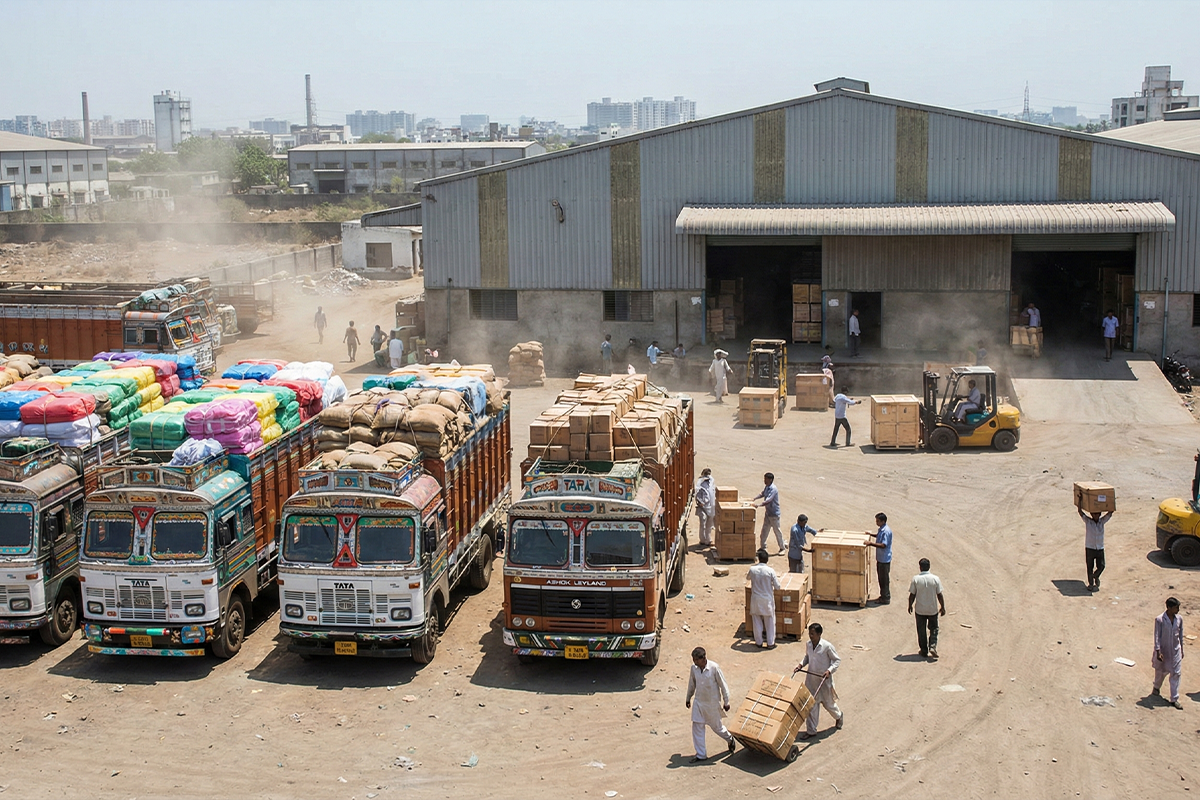
Many businesses in India focus heavily on negotiating freight rates but ignore one critical factor that quietly increases logistics costs. The transport mode itself. Even with a competitive rate, choosing the wrong mode can lead to higher handling charges, delays, damages, and unhappy customers.
If your logistics costs keep rising without a clear reason, the issue may not be pricing. It may be
planning.
Why logistics costs increase without warning
Most cost overruns happen because transport decisions are made in a hurry or based only on surface level pricing. Businesses often choose a mode that looks cheaper upfront but becomes expensive once transit realities set in.
Some common signs include:
- Frequent transit delays Unexpected handling charges
- Increased damage or shortage claims
- Higher customer complaints despite on time dispatch At the heart of these problems is the FTL vs PTL mismatch.
FTL vs PTL explained in simple terms
Full Truck Load (FTL)
FTL means your cargo occupies the entire vehicle. It moves directly from origin to destination without consolidation stops.
Best suited when:
Shipment volume is high Delivery timelines are strict Cargo is fragile or high value Risk of delay must be minimal
- Hidden benefit is reduced handling, lower transit risk, and predictable delivery. Part Truck Load (PTL)
- PTL combines cargo from multiple shippers into one vehicle. It is charged by weight or volume.
- Best suited when: Shipment size is small
- Delivery timeline is flexible
- Cargo is well packed and non fragile Cost saving is prioritised over speed
- The trade off is multiple handling points and longer transit time.
For an official overview of Indian road transport practices, you can refer to the Ministry of Road Transport and Highways at https://morth.nic.in
Hidden costs most businesses overlook
What looks economical on paper often becomes expensive in execution. Common hidden costs include:
- Extra loading and unloading during consolidation Higher damage risk due to multiple handling Delay penalties from customers
- Emergency re dispatch or air freight costs Increased manpower for follow ups and tracking
- Over time, these indirect costs exceed the difference between FTL and PTL pricing.
- Industry data and logistics best practices shared by organisations like https://www.investindia.gov.in
highlight how planning errors contribute significantly to supply chain inefficiencies. Transport mode should match cargo, urgency, and risk There is no single best transport mode. The right choice depends on three key factors: Cargo characteristics
Fragile, bulky, or high value goods require minimal handling and better load control, making FTL more suitable.
Delivery urgency
If a shipment supports production lines, retail launches, or committed delivery dates, faster and direct movement matters more than marginal cost savings.
Risk tolerance
Businesses with low tolerance for delay, damage, or customer escalation should prioritise predictability over headline freight cost.
How smarter planning reduces logistics spend
Instead of asking only for a freight rate, businesses should ask: What is the safest and fastest way to move this cargo
How many handling points are involved What is the realistic transit time, not just the promised one What happens if there is a delay or breakdown A consultative approach ensures that transport decisions support business outcomes, not just dispatch completion.
This is where experienced logistics partners like IP Group help businesses move beyond transactional freight booking. By understanding cargo behaviour, route challenges, and delivery expectations, transport planning becomes a cost control tool rather than a cost centre.
Making transport decisions that support growth
Businesses that align transport mode selection with operational priorities see measurable benefits:
Lower overall logistics spend Fewer customer escalations Better inventory planning Improved brand credibility with buyers
Choosing the right transport mode is not about spending more. It is about spending wisely. When cargo moves the right way, costs stabilise, delivery performance improves, and logistics starts supporting growth instead of slowing it down.

