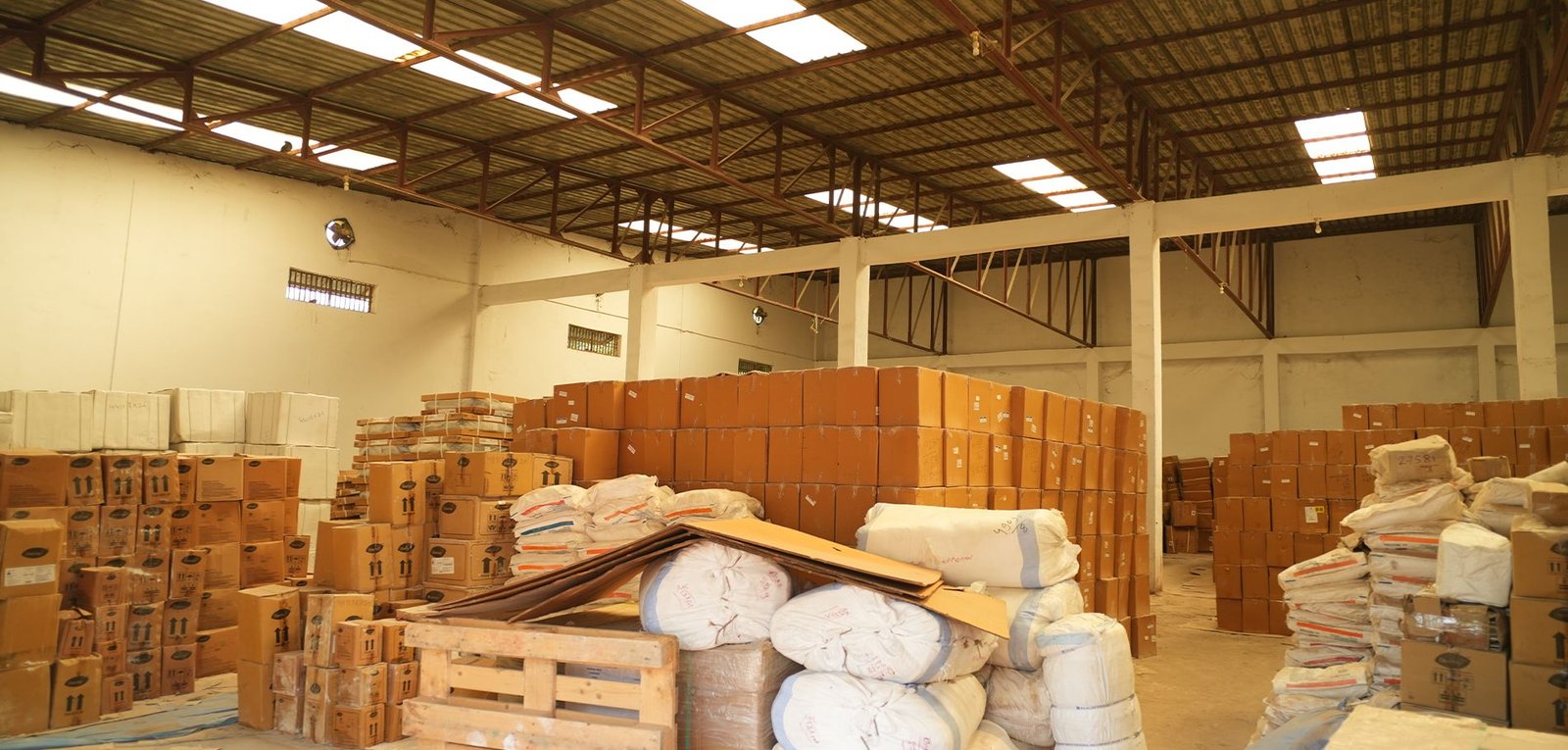
In the world of supply chain management, warehousing is the unsung hero that plays a critical role in ensuring that goods flow smoothly from manufacturers to customers. As businesses continue to expand and e-commerce grows at an unprecedented rate, the pressure to deliver faster and more efficiently has never been higher.
Warehousing solutions have evolved far beyond just being storage spaces. Today, they are sophisticated hubs of activity, where technology, automation, and smart processes come together to maximize efficiency, reduce costs, and enhance overall supply chain performance. Whether it’s optimizing inventory levels, improving order fulfillment, or reducing lead times, efficient warehousing is a key driver of business success.
In this blog, we will explore how businesses can maximize efficiency with modern warehousing solutions, including best practices, technology adoption, and strategies for streamlining warehouse operations.
- The Evolution of Warehousing Solutions
Traditional warehousing was about storing goods until they were needed for distribution. But today, warehousing is a much more dynamic function that is integrated into every part of the supply chain. Modern warehouses are designed to:
Store inventory efficiently.
Process orders quickly and accurately.
Manage returns and handle reverse logistics.
Optimize inventory levels using sophisticated tools.
With the increasing demands of fast order fulfillment and the need for lower operating costs, modern warehouses are shifting towards more flexible and scalable solutions, offering real-time visibility, and using data-driven strategies to optimize their operations.
- Key Benefits of Maximizing Warehouse Efficiency
Efficient warehousing goes beyond just reducing costs. It creates a significant competitive advantage, improving your bottom line, customer satisfaction, and scalability. Here are some of the key benefits of maximizing warehouse efficiency:
- Reduced Operational Costs
The cost of warehousing can quickly spiral out of control without the right strategies in place. Inefficiencies such as overcrowded spaces, excessive inventory, and slow picking and packing processes can increase overhead costs. By optimizing warehouse layouts, implementing automation, and using inventory management systems, businesses can reduce unnecessary labor costs, minimize storage fees, and improve space utilization.
- Faster Order Fulfillment
The demand for faster shipping has led to heightened customer expectations, especially in e-commerce. Faster order fulfillment is one of the most important components of customer satisfaction. Efficient warehousing ensures that products are picked, packed, and shipped quickly and accurately. Reducing order processing time also helps businesses meet the growing demand for same-day or next-day deliveries.
- Improved Inventory Management
Managing inventory effectively is one of the most critical aspects of warehousing. Inefficient inventory practices lead to stockouts or overstocking, both of which negatively impact cash flow and customer satisfaction. By using automated systems for real-time inventory tracking, businesses can maintain optimal stock levels, prevent overstocking, and ensure they never run out of high-demand products.
- Increased Scalability and Flexibility
As businesses grow and demand fluctuates, warehouses need to scale quickly without compromising operational efficiency. Modern warehousing solutions provide the flexibility to scale up or down as needed. Whether it’s adding more storage space, adjusting staffing levels, or expanding to new locations, businesses can meet demand without the need for huge capital expenditures.
- Enhanced Customer Satisfaction
At the heart of any business’s success is customer satisfaction. Efficient warehousing directly impacts customer experience by ensuring that products are delivered on time, in perfect condition, and at the right cost. In today’s world, customers expect accurate orders, quick deliveries, and transparency. Efficient warehousing allows businesses to meet these expectations while maintaining cost efficiency.
- Key Strategies to Maximize Warehouse Efficiency
Maximizing efficiency in a warehouse requires a combination of best practices, technology, and smart operational strategies. Let’s dive into some of the most effective strategies businesses can implement:
- Optimize Warehouse Layout
A well-planned warehouse layout can have a huge impact on operational efficiency. By carefully designing the storage areas, businesses can streamline the movement of goods and reduce handling times. Key practices for optimizing warehouse layout include:
Organizing products by frequency of use: Keep the fastest-moving items in easily accessible areas and less frequently needed items in more distant spots.
Using vertical storage: If space is limited, optimize vertical storage by using high shelving units or mezzanine levels.
Creating clear zones: Designate areas for receiving, picking, packing, and shipping to avoid congestion and increase workflow efficiency.
- Implement Warehouse Management Systems (WMS)
A Warehouse Management System (WMS) is a software tool that automates the management of inventory, order fulfillment, and warehouse operations. It helps businesses track inventory in real-time, optimize storage space, and improve order accuracy.
WMS can:
Track stock levels across multiple locations.
Provide data on product movement, shelf life, and order status.
Support automated reordering when stock levels reach a minimum threshold.
By using WMS, businesses can reduce errors, improve inventory accuracy, and speed up operations, leading to improved efficiency.
- Use Automation and Robotics
Automation is rapidly transforming warehousing operations. Automated systems such as automated guided vehicles (AGVs), conveyor belts, and robotic picking systems are revolutionizing warehouse operations. These technologies can handle repetitive tasks like sorting, picking, and packaging, which traditionally required manual labor.
The benefits of automation include:
Reduced labor costs: Automation reduces the need for manual workers, especially for repetitive tasks.
Increased speed: Automated systems can process orders faster and more accurately than humans.
Improved safety: Automation reduces human error and minimizes workplace injuries.
- Adopt Real-Time Inventory Tracking
Real-time tracking using Radio Frequency Identification (RFID) or barcode scanning technology allows businesses to monitor inventory levels and product movement throughout the warehouse. This provides accurate, up-to-date information about stock levels, reducing the risk of stockouts or overstocking.
By having real-time visibility into inventory, businesses can:
Improve decision-making on restocking and production.
Reduce the time spent searching for products.
Ensure accurate order fulfillment.
- Implement Lean Warehousing
Lean warehousing is about maximizing value while minimizing waste. By implementing lean principles, businesses can eliminate inefficiencies such as excess inventory, slow-moving products, and unnecessary motion in the warehouse.
Key lean strategies include:
Reducing cycle time: Streamline processes and minimize delays in the picking and packing process.
Optimizing labor: Ensure that warehouse staff are used efficiently, avoiding both underuse and overuse.
Continuous improvement: Regularly evaluate warehouse operations and identify areas for improvement.
- Technology-Driven Warehousing Solutions for the Future
The future of warehousing lies in the continuous adoption of innovative technologies. Key trends in modern warehousing include:
- Artificial Intelligence (AI) and Machine Learning
AI and machine learning algorithms can be used to predict demand patterns, optimize warehouse layouts, and enhance inventory management. These technologies analyze large datasets to uncover insights that improve warehouse operations.
- Drones for Inventory Management
Drones are beginning to be used for inventory checks, performing stock-taking operations with minimal human involvement. They are faster and more accurate than manual counts, helping to improve stock visibility and reduce errors.
- Blockchain for Transparency and Security
Blockchain technology can be used to provide an immutable and transparent record of all warehouse transactions. This increases security, reduces fraud, and improves accountability in warehouse operations.
- Conclusion
Maximizing efficiency in warehousing is no longer optional in today’s fast-paced business environment—it’s a critical component of success. By optimizing warehouse layouts, adopting the latest technologies, and implementing best practices, businesses can reduce costs, improve operational efficiency, and provide better service to customers.
In a world where consumer expectations are high and delivery speeds are key, efficient warehousing solutions are not just a competitive advantage—they’re a necessity. By leveraging modern warehousing solutions, businesses can drive growth, improve profitability, and stay ahead in a dynamic marketplace.

